
Let’s be brutally honest for a second: the traditional morning routine is broken. For most of my adult life, my morning consisted of a blaring smartphone alarm at 6:30 AM, instantly hitting the snooze button three times, and then panic-scrolling through emails before my feet even touched the floor.
I’d stumble into the kitchen feeling like I was already behind on my day. Sound familiar?
We are constantly told that technology is ruining our sleep and stressing us out. While late-night doomscrolling definitely isn't helping your mental health, technology itself isn't the enemy. It’s just a tool. When used correctly, smart wellness tech can actually help you work with your biology, rather than fighting against it.
At Nic and Doras, we believe in building habits that actually stick. Here is how I completely overhauled my chaotic mornings using a simple, tech-powered wellness routine—and how you can do it too, without feeling overwhelmed.
1. Ditch the Blaring Alarm for a Sunrise Simulator
Waking up to a sudden, aggressive siren in pitch darkness is a guaranteed way to spike your cortisol (stress hormone) levels before you’ve even opened your eyes. Your body is biologically wired to wake up to the gradual rising of the sun, not a digital airhorn.
The single best investment I made for my morning wellness was a Sunrise Alarm Clock.
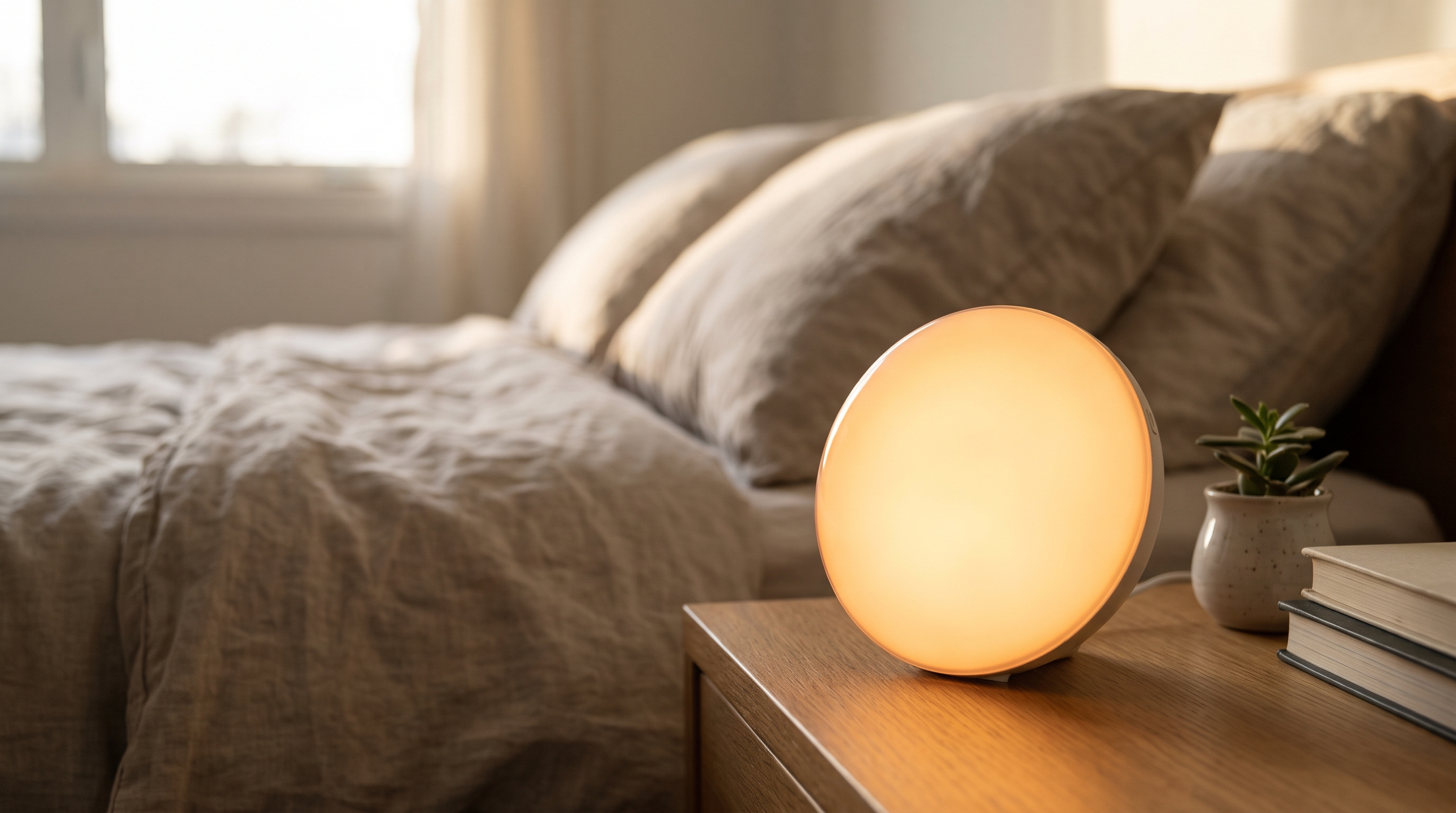
Instead of a sudden noise, these smart clocks slowly start filling your room with a warm, amber glow about 30 minutes before your actual wake-up time. The light gradually transitions to a bright yellow, simulating a natural sunrise. By the time the gentle nature sounds (like birds chirping or soft waves) start playing, your brain has already stopped producing melatonin, and you feel naturally awake. It is a complete game-changer, especially during those dark, gloomy winter months.
2. The Wearable "Readiness" Check
Once I am awake, the first thing I do isn't checking my work slack or social media. Instead, I check my body's internal battery.
Using a wellness wearable—whether that is an Oura Ring, a Whoop strap, or an Apple Watch—gives you objective data about how well you actually recovered overnight. Most modern fitness trackers provide a "Daily Readiness Score" or track your Heart Rate Variability (HRV).
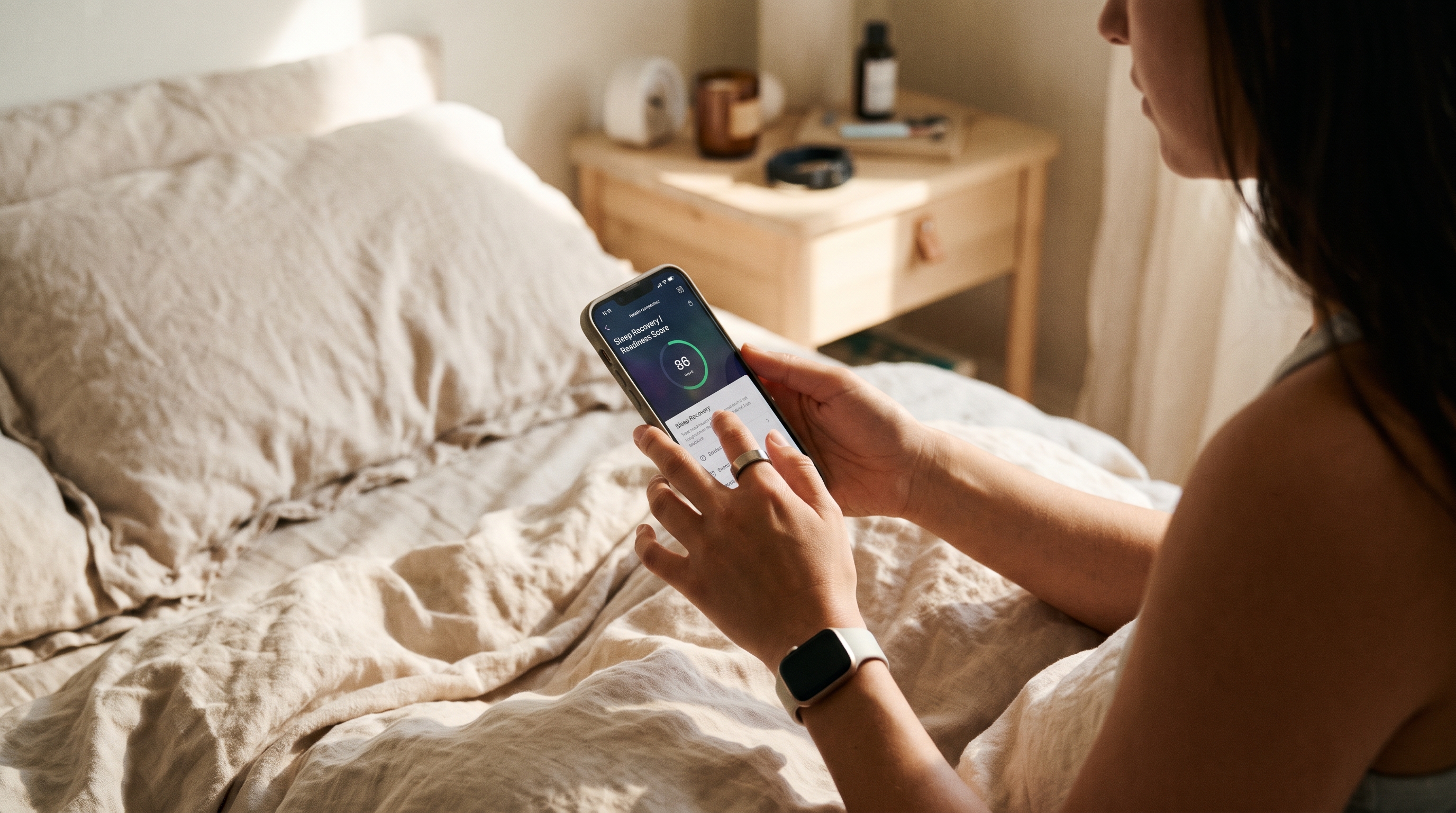
Why does this matter? Because blindly following a rigid routine is a recipe for burnout. If my wearable tells me my recovery is at 95%, I know I can crush a high-intensity workout and tackle my hardest projects. But if my app shows my body is under stress and my sleep score is a 40%, I adapt. I skip the heavy lifting, opt for a 15-minute walk, and prioritize easy tasks. Tech helps you listen to your body instead of just guessing.
3. Hydration Automation (Before Caffeine)
We all love our morning coffee, but after 7 to 8 hours of sleep, your body is essentially in a state of mild dehydration. Pouring caffeine straight into a dehydrated system often leads to that dreaded mid-day crash.
You don't necessarily need a Bluetooth-enabled smart water bottle (though they are pretty cool if you struggle to drink water). I keep a large glass of water on my nightstand, and I use my smart speaker to build the habit.
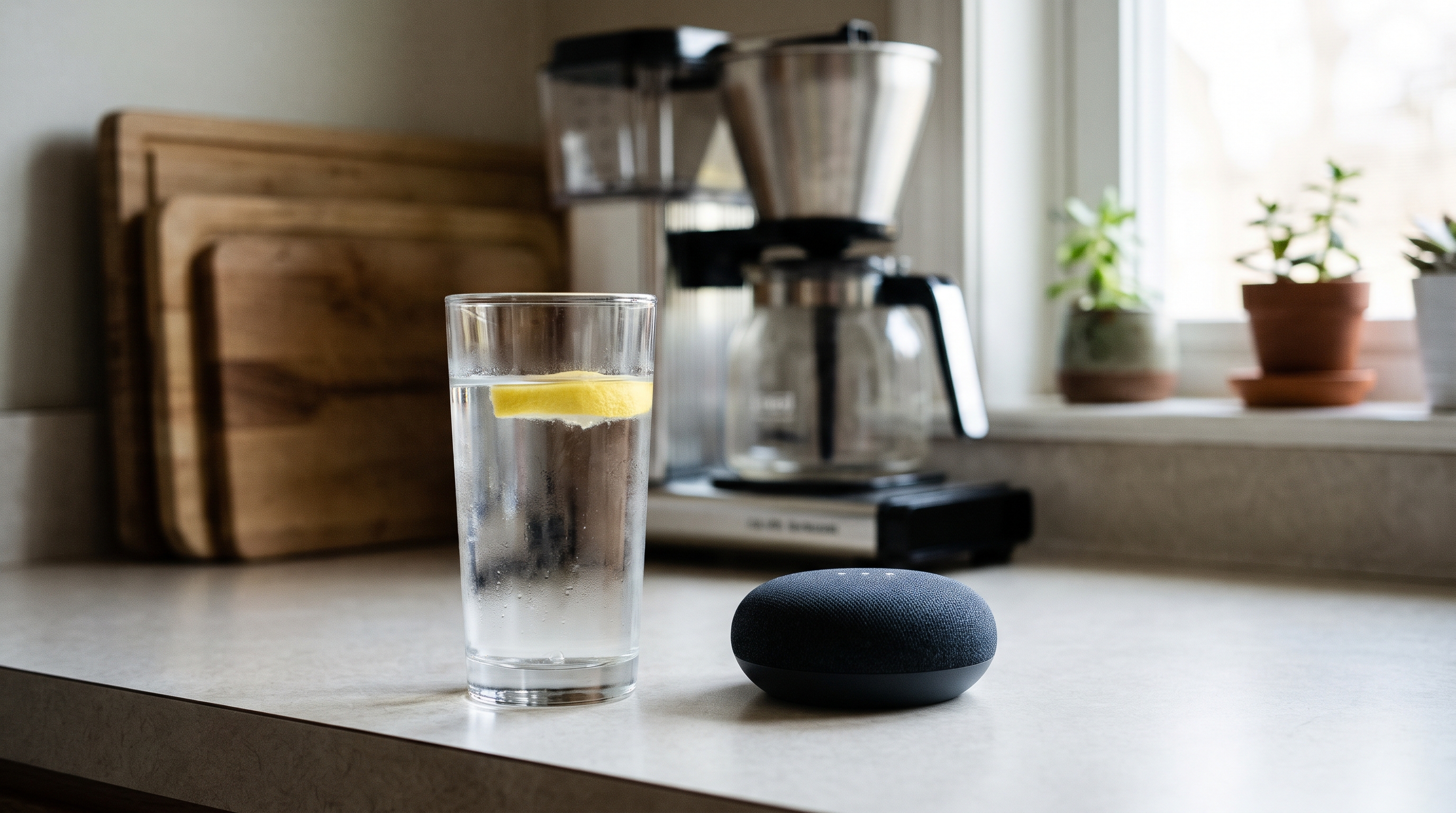
I have a routine set up on my Google Home. When I say, "Good morning," the speaker turns on the kitchen lights, reads me the weather, and physically reminds me: "Don't forget to drink your water before starting the coffee maker." It is a tiny, frictionless tech prompt that forces me to hydrate first.
4. Ten Minutes of App-Guided Mindful Movement
You don't need a 90-minute gym session at 5:00 AM to be healthy. The goal of a morning routine is simply to signal to your body that it is time to wake up.
I cast a quick, 10-minute mobility or stretching routine from a wellness app (like Peloton, Apple Fitness+, or even a free YouTube channel) directly to my living room TV.
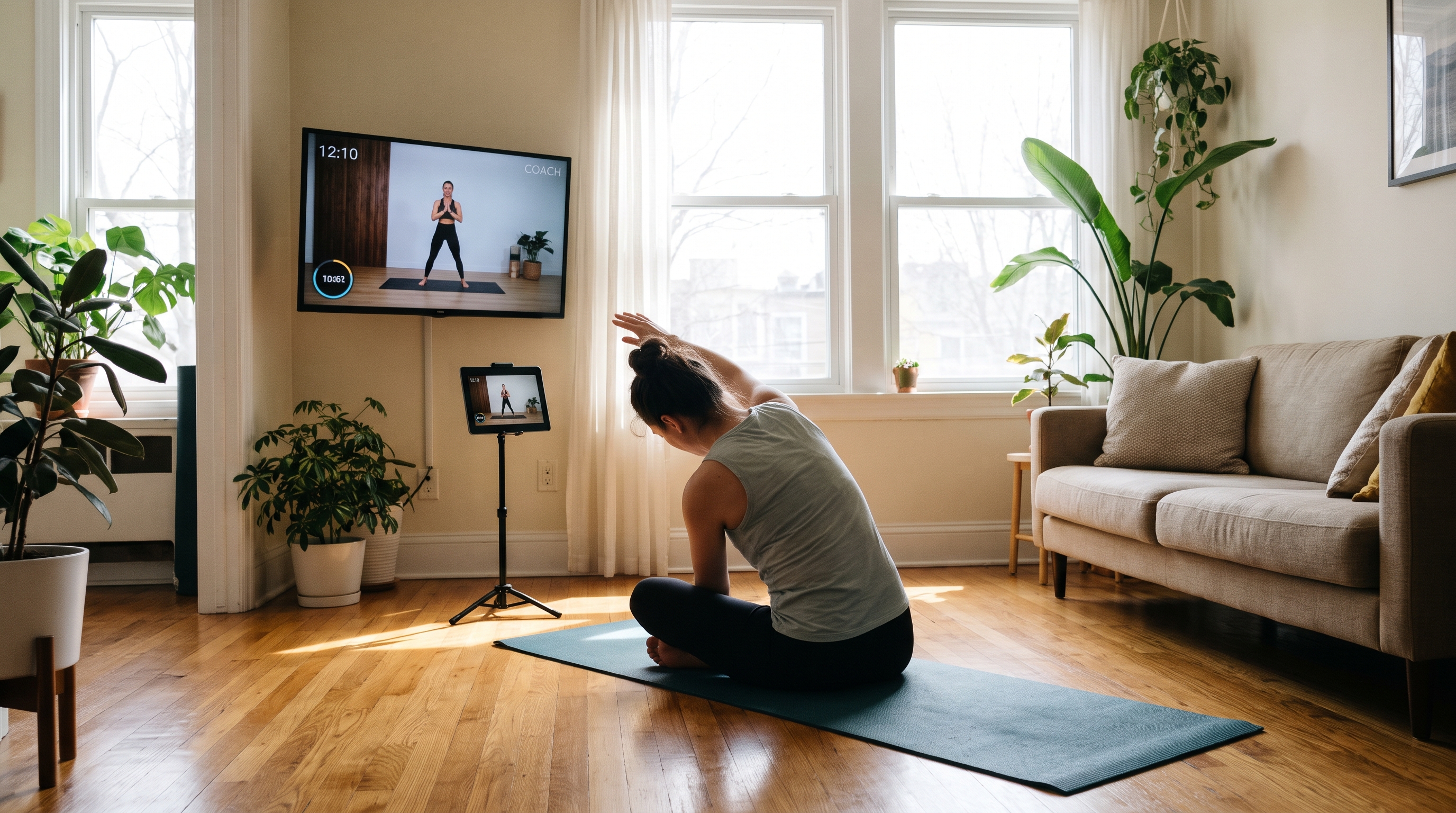
Following a guided video removes the "decision fatigue." You don't have to think about what stretches to do; you just hit play and follow along. This short burst of mindful movement gets the blood flowing, loosens up a stiff back, and puts you in a proactive, rather than reactive, state of mind.
Make Tech Work For You, Not Against You
The secret to a productive day isn't waking up at 4:00 AM or avoiding screens completely. It is about replacing stressful tech habits with supportive ones. Swap the loud phone alarm for gentle light therapy. Swap the social media scrolling for a quick check of your health data.
When you use technology to support your natural rhythm, mornings stop feeling like a punishment and start feeling like the best part of the day.
Do you use any tech gadgets to help you wake up? Let me know your favorites in the comments below!