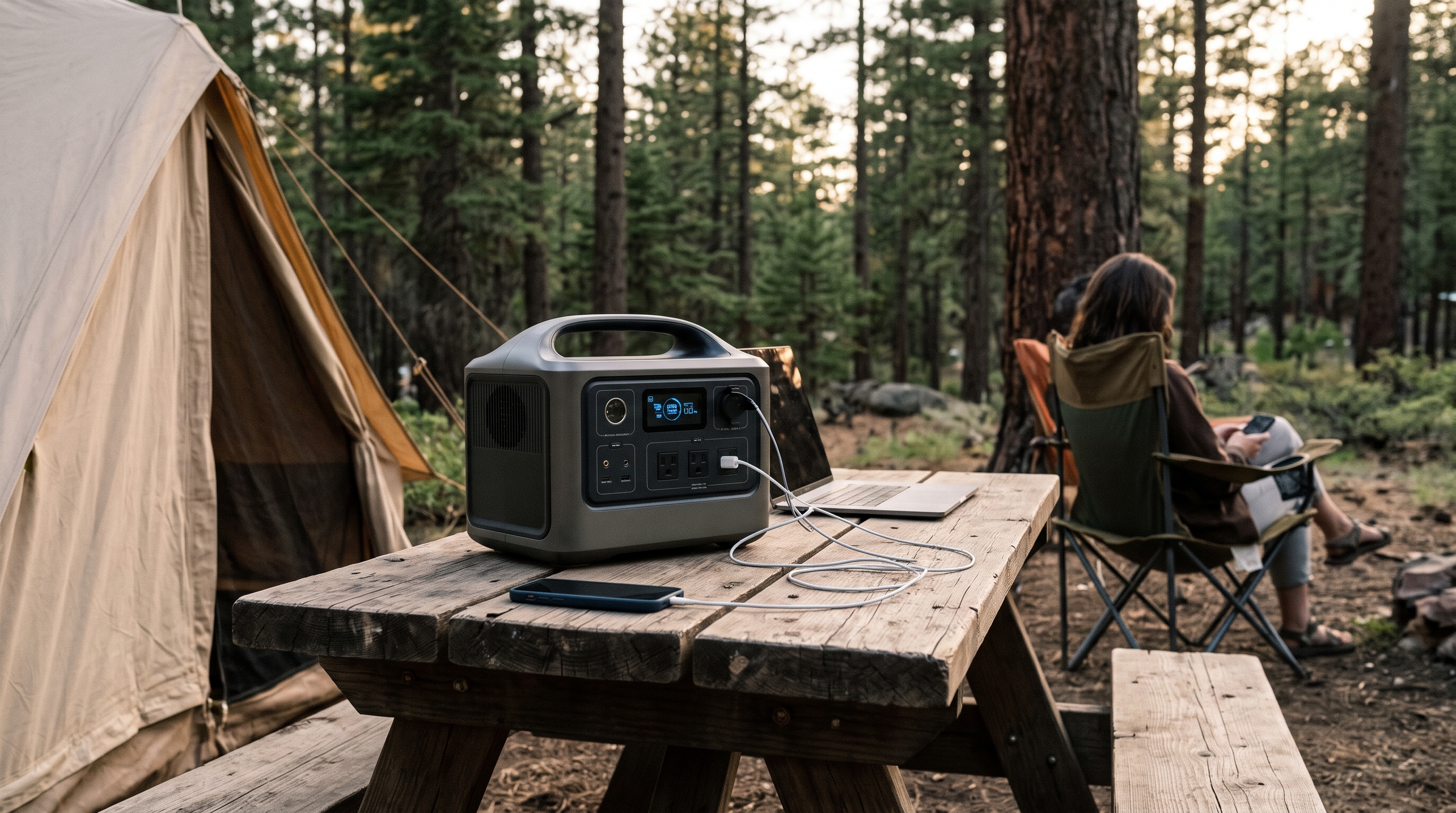
We’ve all had that moment. You are deep in the woods, the air is crisp, the campfire is crackling, and you take a deep breath of absolute freedom. But then, you look down at your phone, camera, or GPS, and that little battery icon is flashing a stressful, dying red.
Suddenly, "getting away from it all" turns into a frantic search for a power outlet.
A few years ago, going off-grid meant completely disconnecting from the digital world, whether you liked it or not. But in 2026, things have changed. Many of us need to keep our devices alive—not just to share photos on social media, but for essential safety, navigation, and even working from a camper or tent.
And that’s where the magic of portable power stations (sometimes called solar generators) comes in. Unlike loud, smelly gas generators, these are essentially giant, intelligent batteries that can run everything from your phone to a portable fridge—totally silently and without fumes.
At Nic and Doras, we love outdoor adventures, but we love being prepared even more. Today, we’re going to walk you through exactly how to stay connected off-grid, what to look for in a power station, and the best options on the market right now.
Why Go with a Portable Power Station?
You might be thinking, “Why can't I just use a handful of cheap pocket power banks?”
While pocket-sized power banks are fine for a day trip to keep your phone alive, they have very little capacity and cannot handle larger devices like laptops, cameras, CPAP machines, or portable fridges. They also lack a standard AC wall outlet.
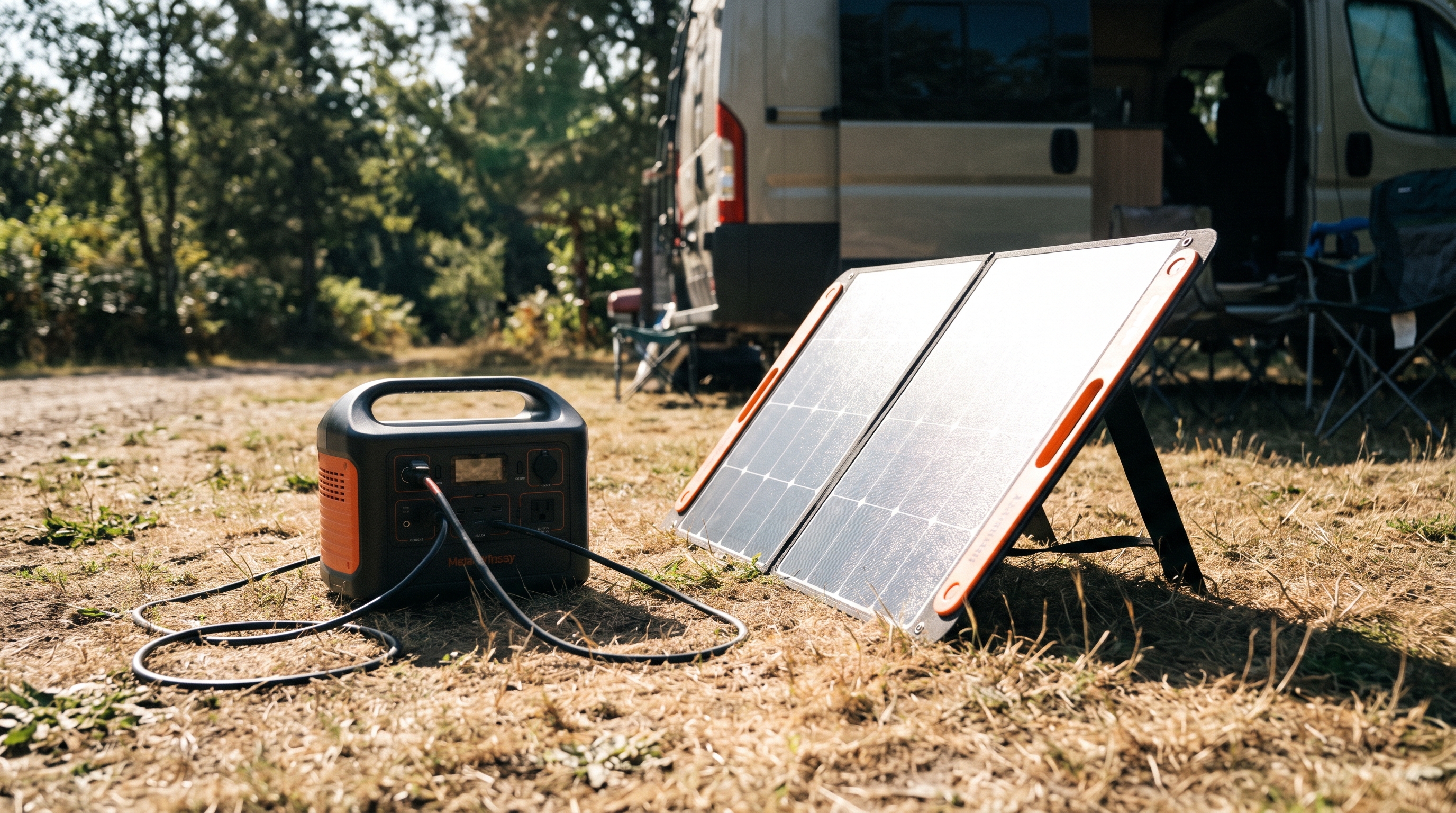
Portable power stations bridge that gap. They provide diverse power outputs (AC outlets, USB ports, USB-C PD, and 12V car ports) and can hold massive amounts of energy. Best of all, they can be recharged in the wild using portable solar panels, creating a completely self-sustaining off-grid power loop.
Understanding the Numbers: Wh and W (Made Simple)
Before you buy a power station, you need to understand two key numbers, otherwise, you might end up with an expensive paperweight or a machine that's too heavy to lift.
Capacity (Measured in Watt-hours, or Wh): This tells you how much total "fuel" is in the battery. For example, a 500Wh power station can theoretically run a 50-watt device for 10 hours (50W × 10h = 500Wh).
Continuous Output (Measured in Watts, or W): This is how much "strength" the station can push out at any given second. If you want to plug in an 800W coffee maker, but your power station only supports a 500W output, it will immediately shut down for safety.
Always check what you intend to run. Phones, drones, and laptops need very little wattage (10W to 100W). Kitchen appliances like blenders, fridges, and kettles need high wattage (600W to 1500W+).
The Best Portable Power Stations of 2026 (For Every Budget)
Based on real-world reliability, build quality, and lifespan, here are our top picks for staying connected off-grid.
1. The Ultra-Portable Runner: Jackery Explorer 300 Plus / EcoFlow River 2 Pro
Best For: Weekend campers, hikers, and casual travelers.
Why we love it: If you only need to charge phones, tablets, cameras, and drones, you do not want to lug around a 40-pound brick. Lightweight models like the EcoFlow River 2 Pro (around 768Wh) are small, extremely fast-charging (recharging from 0-100% in just over an hour), and very affordable. They won’t run your microwave, but they will keep your personal electronics fully fueled for several days.
2. The Golden Middle: Anker SOLIX C1000 / Jackery 1000 v2
Best For: Overlanding, van lifers, and multi-day camping.
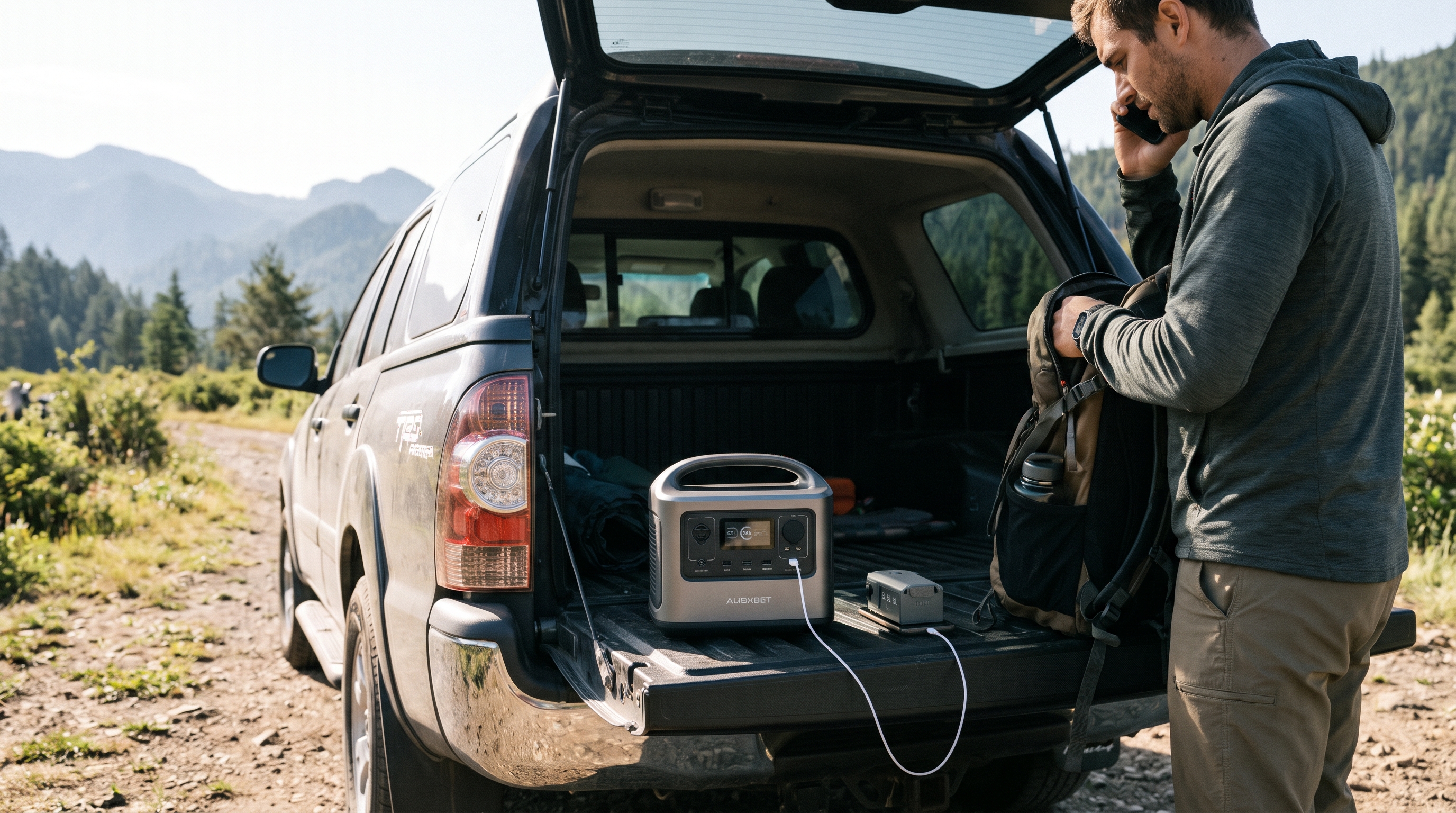
Why we love it: If you are staying out for a week and plan to run a portable 12V fridge, multiple laptops, cameras, and maybe a small coffee maker or heated blanket, a 1000Wh station is your sweet spot. The Anker SOLIX C1000 is incredible because it uses LiFePO4 (Lithium Iron Phosphate) battery chemistry. This is a big deal—it means the battery can be charged and discharged over 3,000 times before losing its capacity, which translates to a lifespan of nearly 10 years of regular use.
3. The Powerhouse: Bluetti AC200L / EcoFlow Delta 2 Max
Best For: Home backup, glamping, or running heavy appliances.
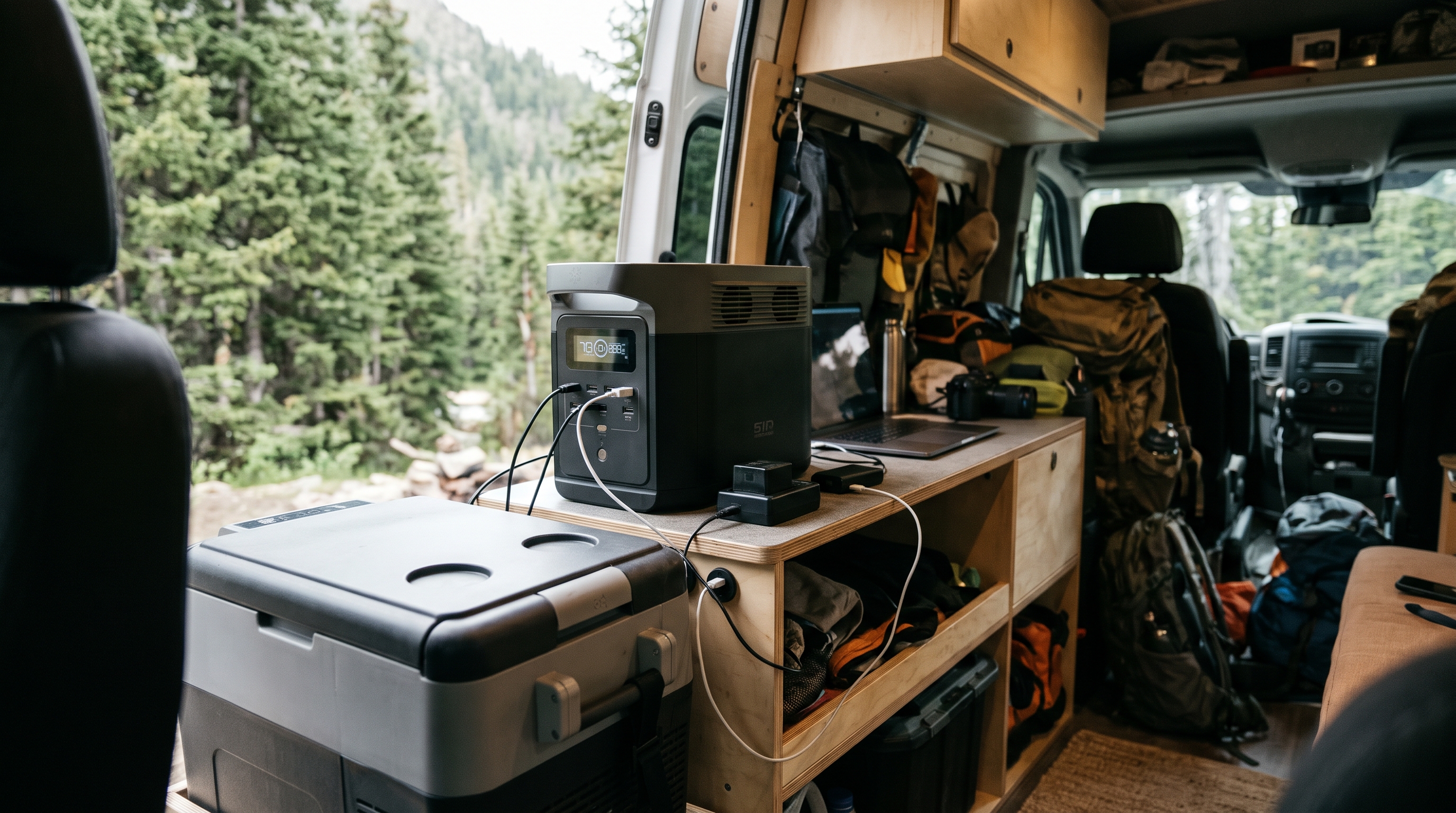
Why we love it: If you have an RV, plan on doing some heavy-duty DIY projects in the woods, or want a robust back-up source for your house during a storm, you need a high-capacity system. These monsters (usually 2000Wh+) can power almost anything—hairdryers, microwaves, power tools, and even compact refrigerators—for several hours, if not days. Note: they are heavy (over 60 lbs), so you won’t be carrying them very far from your truck, but they provide the ultimate peace of mind.
Tips to Maximize Your Off-Grid Power
A portable power station is a significant investment, so here are a few simple ways to make it last longer and keep you connected:
Invest in Solar: Don't just rely on charging your station before you leave home. Look for bundled "solar generators" that come with foldable solar panels. A 100W or 200W solar panel can keep your power station topped up daily if you have decent sun, giving you true energy independence.
Watch the Heat: Batteries don't like extreme temperatures. Avoid leaving your power station in a hot, closed car during the summer or sitting out in freezing cold during the winter. Always keep it in a shaded, ventilated spot.
Turn It Off When Not in Use: Even if you aren't actively charging anything, simply leaving the AC inverter on will slowly drain the battery over time. Keep the display and individual outlets powered down when you aren't using them.
Final Thoughts: Freedom Without the Worry
At the end of the day, a portable power station is about buying yourself freedom. It allows you to wander further, stay out longer, and know that you are always just a cord away from staying connected, calling for help, or keeping your gear going.
Whether you’re in a remote forest, living out of your van, or simply weathering a storm at home, you don’t have to stay in the dark. Find the capacity that fits your lifestyle, start small, and get out there!
What off-grid adventure are you planning next? Let us know in the comments below!