If you spend most of your day hunched over a laptop, you already know the feeling: tight shoulders by 3 p.m., a stiff neck by evening, and a low, nagging ache between your shoulder blades that never quite goes away. Remote and hybrid work have made this kind of “desk posture” almost universal — and it’s exactly why posture correctors have become one of the most searched wellness products of the year.
We looked at what’s actually working for people in 2026, comparing the two main approaches on the market: physical support braces and smart wearable trainers. Here’s what stood out, and how to pick the right one for you.
The Two Types of Posture Correctors
Before comparing specific products, it helps to understand the two very different ways these devices work.
Brace-style correctors are the classic option — adjustable straps that loop around your shoulders and upper back, gently pulling them into alignment while you wear them. They work immediately and don’t require charging or an app, but they only help while you’re wearing them.
Smart/wearable trainers take a different approach. Instead of physically holding you in place, a small sensor sits on your upper back (or clips to your shirt) and gently vibrates whenever you start to slouch, training your body to correct itself over time. These tend to build longer-lasting habits, but cost more and rely on consistent use.
Neither type is objectively “better” — it comes down to whether you want immediate physical support or long-term habit training.
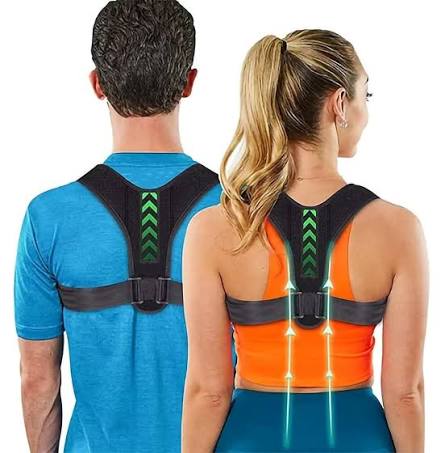
Best Overall Brace: Comfy Brace Posture Corrector
This is consistently one of the most reviewed posture braces on Amazon, and for good reason. It uses a thin, breathable figure-8 design that sits comfortably under clothing, and it comes with a lifetime warranty — a strong signal of confidence from the manufacturer. It’s a solid first purchase if you’ve never tried a posture corrector before and want something simple that works right out of the box.
Best Smart Trainer: Upright GO 2
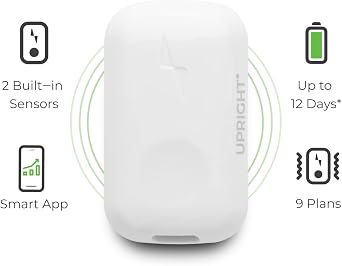
The most established name in the wearable posture space, with tens of thousands of reviews and use in clinics worldwide. It weighs only about 10 grams, sticks discreetly to your upper back, and sends a gentle vibration through a companion app whenever your posture drifts. Battery life runs up to roughly 35 hours per charge, and it tracks your progress over time — useful if you like seeing measurable improvement rather than just “feeling” better.
Best Budget Clip-On Sensor: FUTO
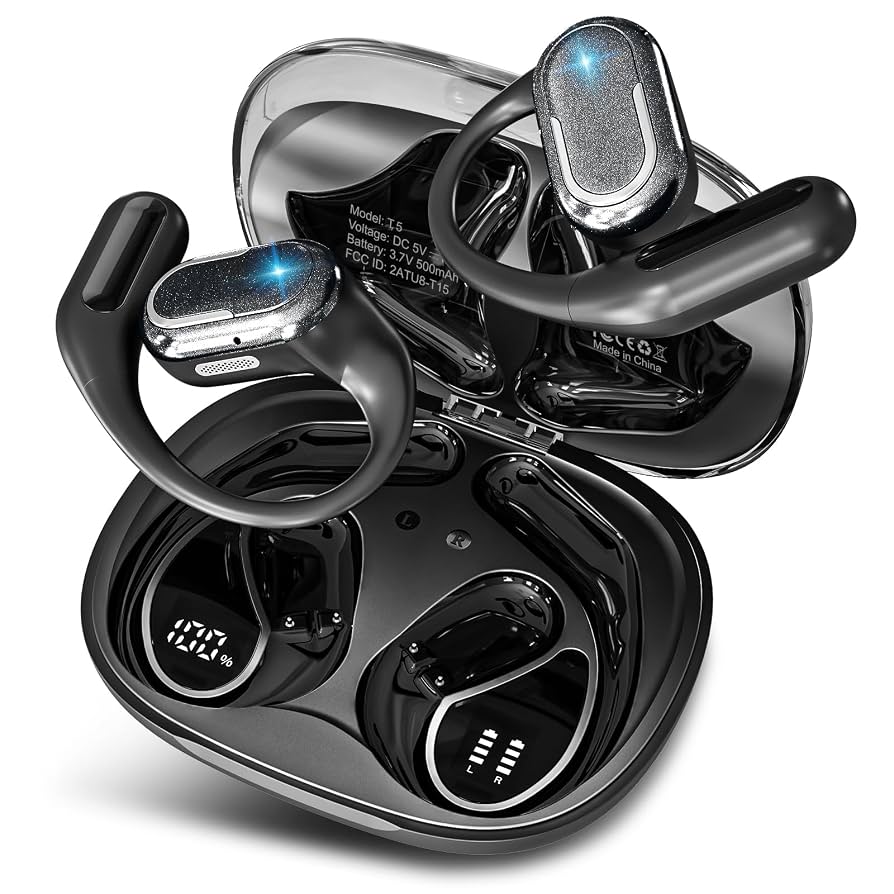
If the Upright GO 2’s price feels like a big first step, FUTO offers a lighter version of the same idea. It clips onto your clothing instead of using adhesive, pairs with a basic tracking app, and costs noticeably less — a sensible way to try the “smart trainer” category without committing to a premium device.
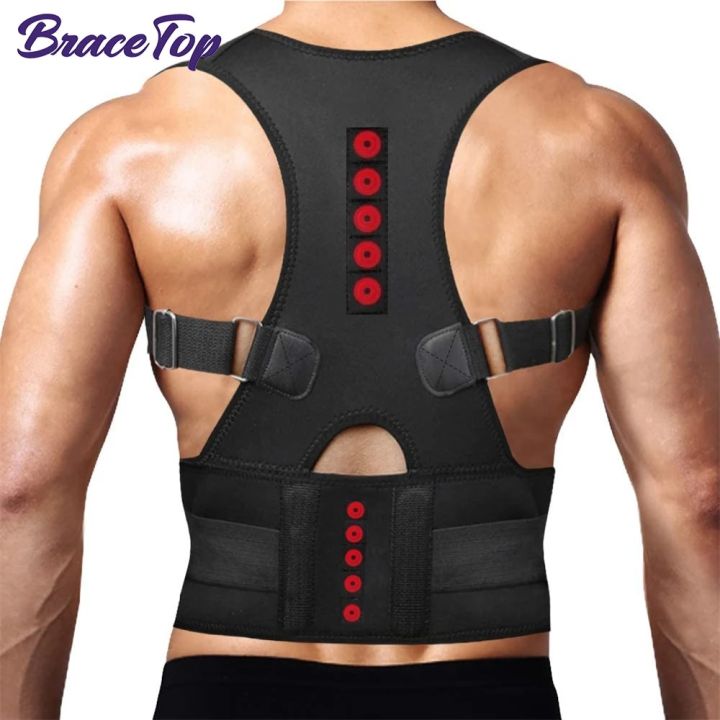
Most Breathable Full-Back Brace: BraceTop
For people who need more structured support (not just shoulder retraction but upper-back and lumbar support too), BraceTop’s design includes removable support bars and a mesh back panel that stays cooler during long wear — a common complaint with cheaper full-back braces.
How to Choose the Right One
- If you want something simple and immediate: go with a brace-style corrector like ComfyBrace. No app, no charging, just put it on.
- If you want to build a lasting habit: a smart trainer like the Upright GO 2 or FUTO teaches your body to self-correct, which tends to hold up better once you stop wearing the device.
- If you deal with lower back pain too, not just rounded shoulders: look at a full-back brace like BraceTop rather than a simple figure-8 strap.
- Comfort under clothing matters more than most people expect — if a brace is visible or bulky, you’re far less likely to actually wear it consistently.
One thing every guide on this topic agrees on: a posture corrector is a training tool, not a permanent fix. Most people notice a difference within 3–4 weeks of regular use, paired with basic stretches and a properly set-up desk. It won’t replace good ergonomics, but it makes the habit a lot easier to build.